Choosing Ski Equipment for Powder, Ice, Groomers, and Changing Weather
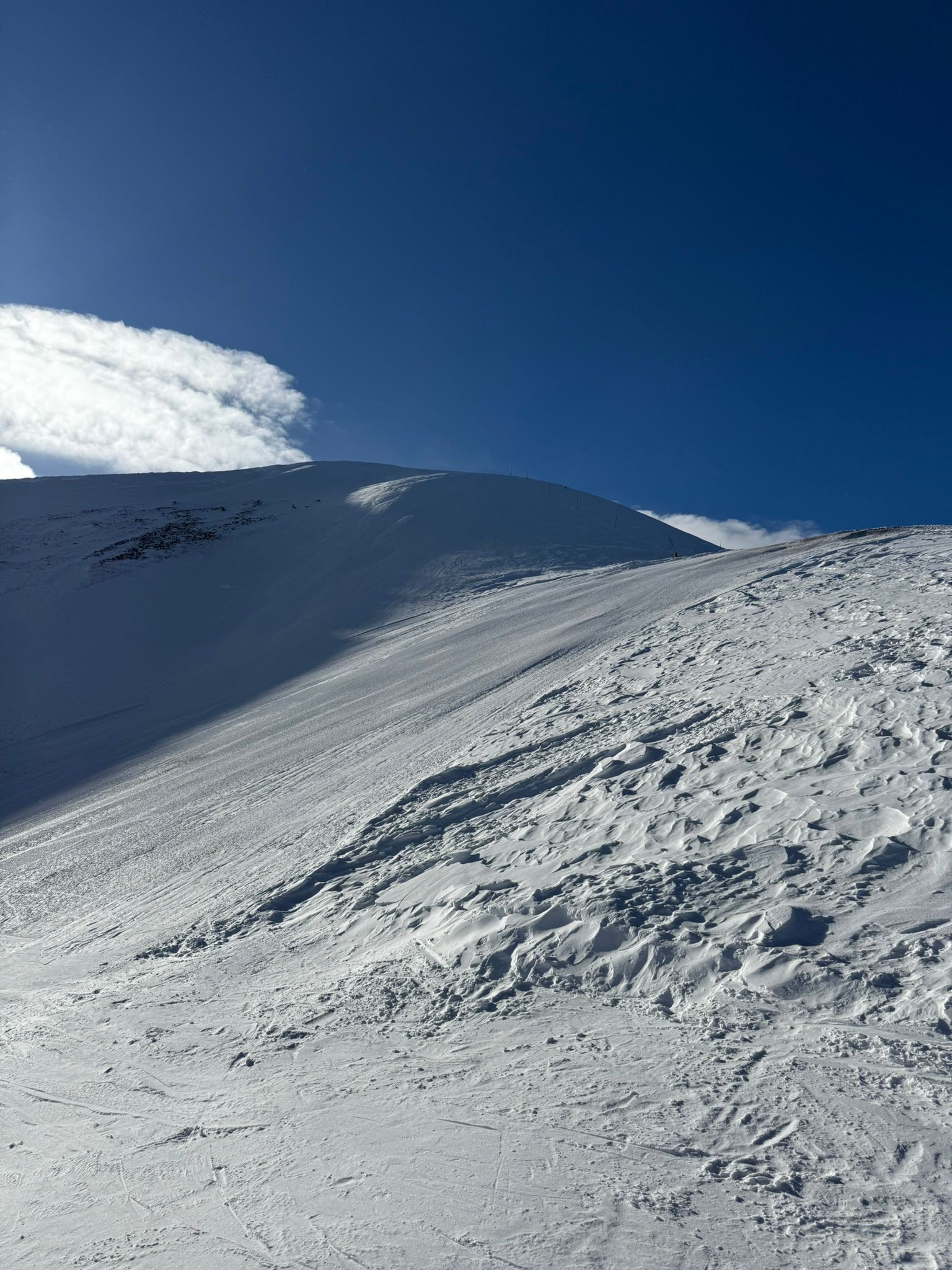
Ski equipment can greatly influence how a skier performs in different mountain environments. Snow conditions change from one trail to another, and weather can shift during the same day. Deep powder, icy slopes, groomed trails, strong wind, and warmer spring snow all require slightly different approaches.
The right equipment helps a skier adjust to these changes with better control and comfort. Skis, boots, bindings, poles, goggles, helmets, and clothing all play a role in how the body responds to the mountain.
Skis Need to Match the Snow Surface
Different skis are designed to handle different types of snow. Narrower skis usually perform well on firm groomed trails because they move quickly from edge to edge.
Wider skis are often better in powder. Their larger surface area helps keep the skier closer to the top of soft snow, which can make turning easier.
For mixed conditions, all-mountain skis can offer a practical balance. They may not specialize in one environment, but they can handle several types of terrain reasonably well.
Ski Edges Matter on Firm Terrain
Sharp edges become especially important on hard-packed or icy slopes. They help the ski grip the snow during turns and reduce unwanted sliding.
On softer snow, edge sharpness may feel less noticeable because the ski sinks slightly into the surface. However, firm snow demands more precise contact between the edge and the mountain.
Regular tuning helps maintain edge performance. Skiers who often visit icy or heavily groomed resorts may benefit from checking their edges more frequently.
Boots Influence Response and Comfort
Ski boots affect how quickly a skier can transfer movement into the skis. A close and secure fit usually improves control.
Stiffer boots may suit stronger or more experienced skiers who need quick response on steep or firm terrain. Softer boots may feel more forgiving for beginners and casual skiers.
Temperature can also influence boot performance. Very cold conditions may make some materials feel firmer, while warmer weather can make them slightly more flexible. A properly fitted boot should support the foot without creating painful pressure.
Bindings Must Work With the Entire Setup
Bindings connect the boots to the skis and are an important part of the safety system. Their settings should match the skier's physical characteristics and ability.
Terrain can place different levels of force on bindings. Fast turns, jumps, and steep slopes may create stronger loads than relaxed skiing on gentle runs.
Because binding adjustment affects both retention and release, professional setup is recommended. Correct settings help the equipment respond properly when conditions become demanding.
Poles Change With Terrain and Snow Depth
Ski poles help with rhythm, balance, and movement. They can also assist when crossing flat sections or getting started after stopping.
In deep powder, larger baskets are useful because they prevent the pole from sinking too far into the snow. Standard smaller baskets work well on groomed trails.
Pole length should support a natural arm position. Poles that are too long or too short can interfere with balance and timing, especially on steeper terrain.
Goggles Help Skiers Read the Mountain
Clear vision is essential because the snow surface can change quickly. Flat light, bright sun, clouds, fog, and snowfall all affect visibility.
Different lenses are designed for different lighting conditions. Darker lenses reduce glare on sunny days, while lighter lenses can improve contrast when the sky becomes cloudy.
Interchangeable lens systems can be useful for skiers who expect changing weather. Better visibility helps the skier identify bumps, ice, shadows, and changes in slope angle before reaching them.
Helmets Need a Secure Fit
A ski helmet provides protection while also helping with warmth. It should sit securely on the head without moving during normal activity.
Ventilation is useful when temperatures change. Closed vents can help retain warmth on very cold days, while open vents may improve comfort during warmer weather or intense skiing.
The helmet should also work properly with goggles. A good fit between the two pieces helps reduce uncomfortable gaps and protects more of the face and forehead.
Clothing Should Handle Moisture and Wind
Ski clothing must protect the body while allowing movement. A layered system usually offers the most flexibility.
The base layer helps move moisture away from the skin. The middle layer provides insulation, while the outer shell blocks wind and snow.
Cold, windy mountains may require thicker insulation. Spring skiing often calls for lighter clothing and more ventilation.
Water resistance becomes especially important during wet snowfall or warmer conditions. Staying dry can help the body maintain a more comfortable temperature.
Hands and Feet Need Special Attention
Cold hands and feet can quickly reduce enjoyment on the mountain. Gloves, mittens, and socks should provide warmth without restricting movement or circulation.
Mittens generally hold heat well because the fingers stay together. Gloves provide more individual finger movement, which can make adjusting equipment easier.
Ski socks should fit smoothly inside the boots. Wearing several thick pairs can make boots too tight and may reduce blood flow.
The Best Gear Supports Adaptability
Mountain conditions rarely stay the same all day. A skier may begin on hard morning snow, move into softer afternoon conditions, and experience changing visibility as clouds arrive.
Equipment that suits the environment makes these transitions easier. Ski width, edge condition, boot stiffness, pole baskets, lenses, and clothing layers all influence performance.
The goal is not to own specialized gear for every possible condition. Instead, skiers should understand how their equipment behaves and choose a setup that matches the terrain they expect to encounter. With the right preparation, ski gear can provide better control, comfort, and confidence across a wide range of mountain environments.
