Ready for Any Run: Choosing Ski Gear for Changing Mountain Weather
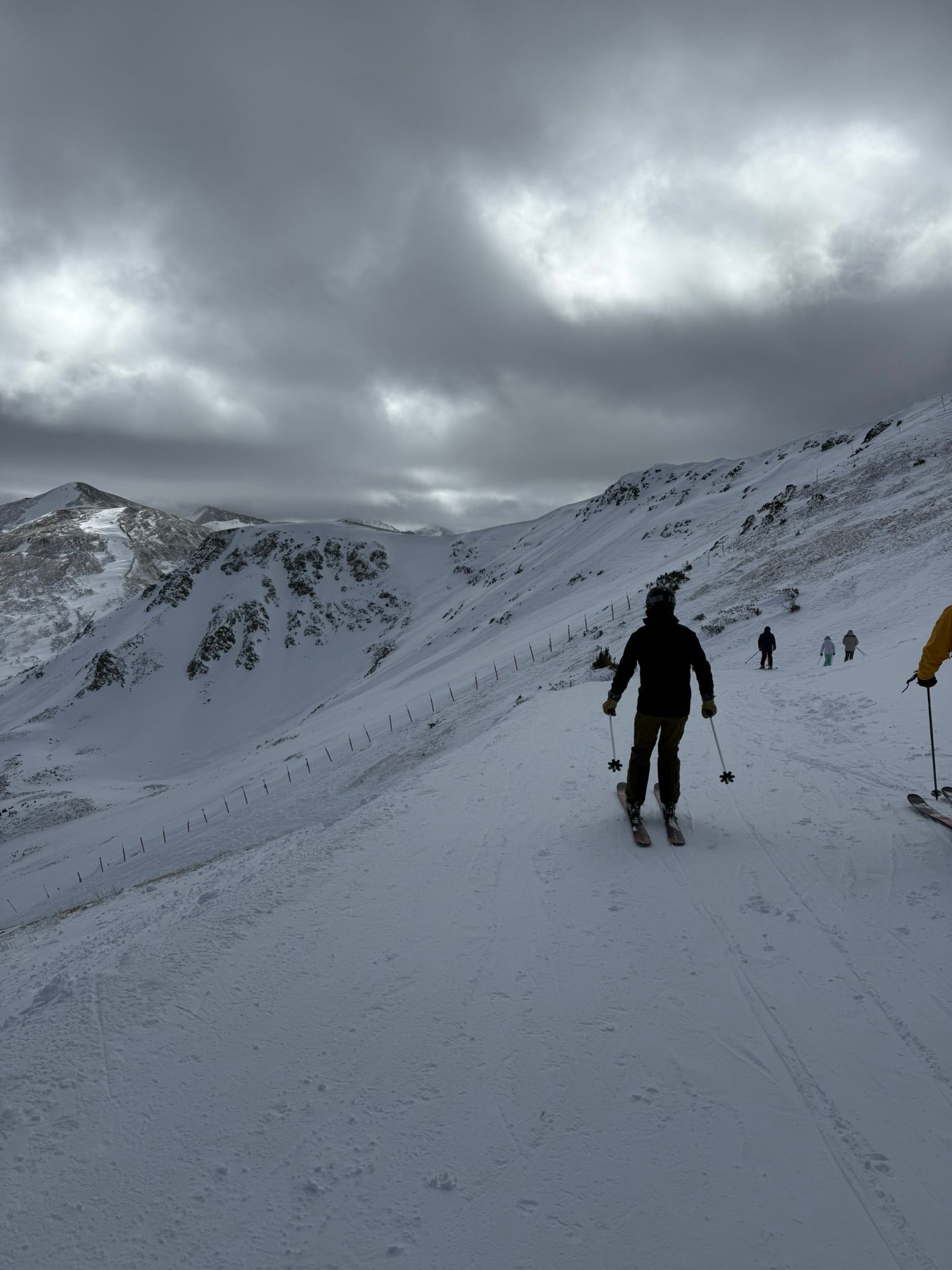
First, the right pair of skis can make a major difference when mountain conditions change throughout the day. Groomed slopes may feel firm and icy in the morning, while warmer afternoon temperatures can soften the snow. Therefore, skiers who expect varied conditions often benefit from versatile all-mountain skis. These skis provide enough edge control for hard surfaces while offering sufficient width for softer snow. In addition, their balanced design helps recreational skiers move comfortably between groomed trails, light powder, and uneven terrain without changing equipment.
However, specialized skis may offer better performance when one type of snow dominates the mountain. Wider powder skis provide more surface area, which helps them float through deep, fresh snow. In contrast, narrower skis usually feel quicker and more precise on hard-packed slopes. Consequently, skiers should consider the weather forecast, expected snowfall, and terrain before selecting their equipment. A versatile ski works well when conditions remain unpredictable, while specialized equipment may provide better results when a skier knows exactly what kind of snow the mountain will offer.
Select Ski Boots for Control and Comfort
Next, ski boots should provide a secure fit because they transfer movement directly from the legs to the skis. Properly fitted boots improve control when conditions become icy, steep, or uneven. Therefore, skiers should avoid choosing boots simply because they feel soft and comfortable in the store. A boot needs to hold the foot firmly without creating painful pressure. In addition, different flex levels suit different abilities and skiing styles. Beginners often appreciate softer boots, while stronger or more experienced skiers may prefer stiffer boots for faster, more aggressive turns.
Furthermore, mountain temperatures can affect how ski boots feel. Extremely cold temperatures may make the outer shell feel stiffer, while warmer weather can make the material slightly softer. Consequently, skiers should wear proper ski socks and ensure their boots fit properly before heading onto the mountain. Good liners can also provide valuable insulation during cold weather. Meanwhile, properly adjusted buckles allow skiers to maintain support without cutting off circulation. Comfortable, responsive boots help skiers adapt more easily as snow quality and weather conditions change over the course of a long day.
Use Layered Clothing to Manage Temperature
Additionally, changing mountain weather makes flexible clothing essential. A skier may begin the morning in freezing temperatures and experience much warmer conditions by midday. Therefore, layering allows the body to adapt without requiring a complete change of clothing. A moisture-managingmoisture-managing base layer helps move sweat away from the skin, while an insulating middle layer helps retain body heat. Finally, a protective outer shell blocks wind, snow, and moisture. This combination gives skiers greater control over comfort as temperatures rise or fall throughout the day.
Moreover, skiers should avoid wearing too much insulation when they expect to remain active for long periods. Excessive warmth can cause sweating, and damp clothing can become uncomfortable when temperatures suddenly drop. Consequently, breathable fabrics help regulate body temperature more effectively than heavy clothing alone. Waterproof jackets and pants also become especially important during wet snowfall or spring conditions. Meanwhile, ventilation openings can release heat during warmer periods. By choosing adaptable layers, skiers can stay warmer during cold mornings while avoiding overheating when sunshine and physical activity raise body temperatures.
Protect Your Eyes With the Right Goggles
Meanwhile, visibility can change rapidly in the mountains as sunshine, clouds, fog, and snowfall move across the slopes. Ski goggles protect the eyes from wind, snow, ultraviolet light, and flying ice particles. More importantly, the correct lens can improve contrast and help skiers recognize changes in the surface. Therefore, darker lenses generally work better in bright sunlight, while lighter lenses can improve visibility during cloudy or snowy weather. Good vision allows skiers to identify bumps, icy sections, and terrain changes before they become dangerous.
In addition, goggles with interchangeable or adaptable lenses offer useful flexibility when weather changes without warning. A sunny morning may turn into heavy snowfall within a few hours, making one fixed lens less effective. Consequently, many skiers carry an additional lens or choose goggles designed to adjust to changing light. Anti-fog ventilation is also important because moisture inside the goggles can quickly reduce visibility. Furthermore, goggles should fit properly with the skier’s helmet. A comfortable connection between the helmet and goggles helps block cold air while maintaining a clear field of vision.
Choose a Helmet for Weather and Protection
Of course, a properly fitted ski helmet remains an important part of mountain safety. A helmet helps protect the head during certain falls and collisions while also providing warmth in cold weather. Therefore, skiers should choose a helmet that fits securely without moving excessively or creating uncomfortable pressure. Adjustable ventilation can make the helmet more useful across different weather conditions. Closed vents help retain warmth during freezing or windy periods, while open vents allow excess heat to escape during warmer spring skiing.
Furthermore, helmet fit becomes especially important when skiers wear goggles, balaclavas, or thin head coverings. Wearing thick hats under a helmet can affect the fit and reduce comfort. Consequently, skiers should select compatible equipment that works together without creating unnecessary bulk. Many modern helmets include removable liners and adjustable systems that make temperature management easier. In addition, lightweight construction can improve comfort during long days on the mountain. When skiers combine proper fit with useful ventilation, a helmet can protect without becoming uncomfortable as weather conditions change.
Match Gloves and Accessories to the Cold
Similarly, hands often feel changing temperatures faster than other parts of the body. Waterproof, insulated gloves help protect fingers in cold, snowy conditions, strong winds, and long chairlift rides. Therefore, skiers should choose gloves that provide enough warmth without limiting their ability to hold poles or adjust equipment. Mittens usually retain heat more effectively because the fingers stay together, whereas gloves allow greater movement of individual fingers. The right choice depends on personal comfort, expected temperatures, and the amount of equipment adjustment a skier expects to perform.
However, extremely cold days may require more protection than mild spring conditions. Thin glove liners can provide additional warmth and allow skiers to remove outer gloves briefly without exposing bare skin. Meanwhile, warmer weather may require lighter gloves that improve ventilation and prevent sweaty hands. Neck protection and face coverings also become useful when strong winds make temperatures feel much colder. Consequently, small accessories can have a major effect on overall comfort. Preparing for changing temperatures helps skiers stay focused on the mountain rather than distracted by cold hands or exposed skin.
