Seasonal Scuba Diving Guide to the World’s Best Underwater Destinations
The right season can transform an ordinary scuba diving vacation into an unforgettable underwater adventure. Oceans constantly respond to changes in weather, temperature, wind, tides, and currents. These natural cycles influence visibility, marine life activity, water temperature, and surface conditions. Understanding them can help divers choose destinations where conditions align with their expectations.
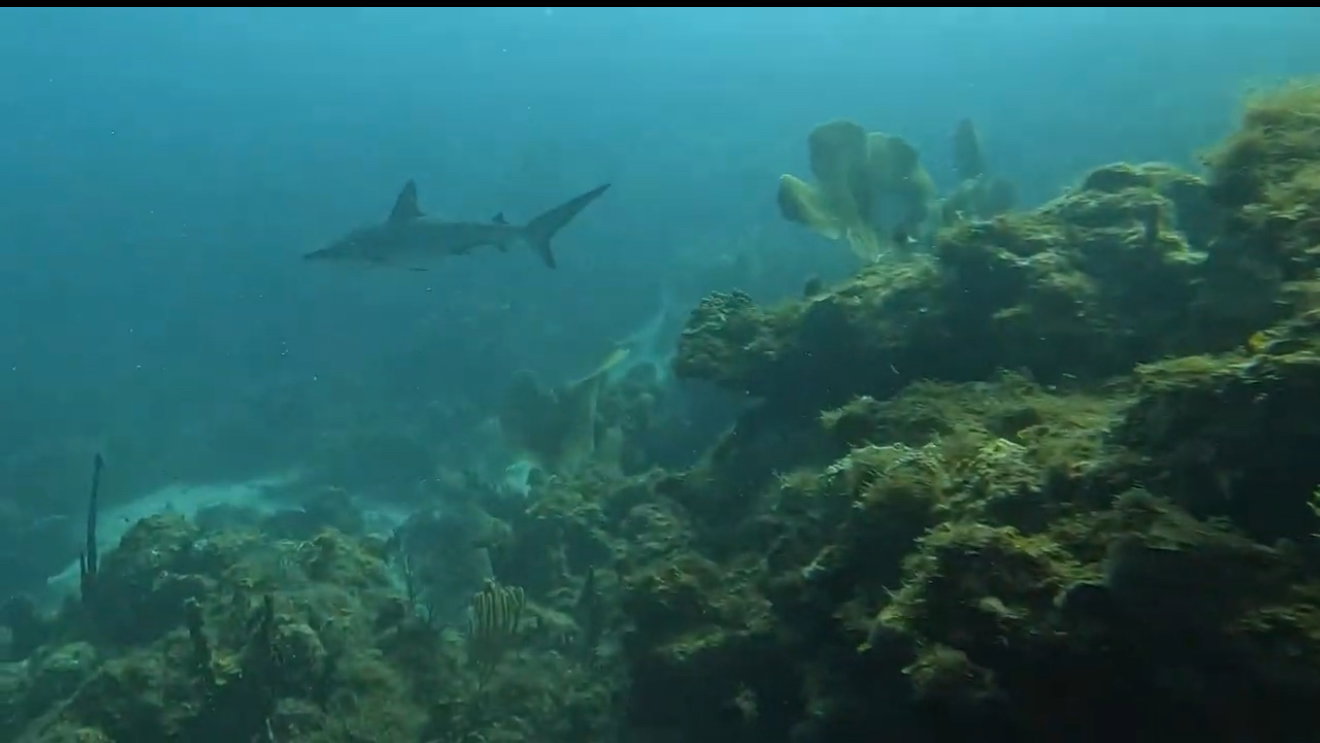
Timing becomes even more important when a trip is planned around specific marine encounters. Sharks, manta rays, whale sharks, turtles, and schooling fish may become more common in certain locations during particular seasons. Other divers may want clear water, comfortable temperatures, and calm seas. Looking beyond destination popularity and considering seasonal conditions can lead to a much better diving experience.
Cayman Islands for Clear Water and Relaxed Reef Diving
The Cayman Islands combine excellent visibility with impressive walls, coral reefs, wrecks, and accessible shore diving. Grand Cayman is especially popular because it offers sites suitable for both beginners and experienced divers. Warm Caribbean water supports turtles, rays, reef fish, and other tropical species throughout much of the year.
Winter and spring are attractive periods for many visiting divers because temperatures are comfortable and conditions can be relatively stable. Cold fronts can occasionally create rough seas, prompting operators to move dives to protected parts of the islands. Summer water is warmer, although tropical storms become a greater consideration as the Atlantic hurricane season progresses. The variety of sites makes it possible to adjust diving plans according to local weather.
Thailand for Tropical Reefs During the Dry Season
Thailand provides access to colorful reefs, granite formations, pinnacles, wrecks, and diverse marine life. The Andaman Sea, including destinations such as the Similan Islands, attracts divers seeking clear tropical water and opportunities to encounter rays, turtles, reef sharks, and large schools of fish.
Seasonal weather has a significant impact on this region. The main diving period for many Andaman Sea destinations generally falls during the drier months, when calmer conditions improve boat access to offshore sites. Some marine parks may restrict access during rougher periods of the year. Even during the preferred season, currents can vary considerably around pinnacles and channels, making local knowledge valuable when selecting appropriate sites.
Socorro Islands for Seasonal Big Animal Encounters
Mexico's remote Socorro Islands attract experienced divers interested in encounters with large marine species. Giant oceanic manta rays are among the region's most famous visitors, while sharks, dolphins, and other pelagic animals may also appear around the volcanic islands.
Because Socorro is reached by liveaboard vessels, travel is strongly influenced by seasonal sea conditions. Water temperatures change during the diving season, and the marine species encountered can vary with those changes. Open-ocean diving may involve currents, surge, deeper profiles, and exposed entry points. These factors make appropriate training and experience important for anyone considering the destination.
Azores for Summer and Early Fall Atlantic Diving
The Azores offer a distinctive Atlantic diving environment with volcanic formations, deep walls, offshore seamounts, rays, sharks, and schooling pelagic fish. Located far from mainland Portugal, the islands offer opportunities for divers who prefer rugged underwater landscapes to traditional tropical coral reefs.
Summer into early fall is generally attractive because warmer conditions and calmer seas can improve access to offshore locations. Water remains cooler than many tropical destinations, so appropriate thermal protection is necessary. Visibility can be impressive, particularly at remote sites. However, Atlantic weather can change quickly, and boat trips may depend heavily on wind and swell.
Philippines for Regional Variety Throughout the Year
The Philippines offers an enormous selection of diving environments. Divers can explore reefs, walls, wrecks, muck diving sites, and areas known for larger marine species. Locations such as Tubbataha, Anilao, Malapascua, and Apo Island offer very different experiences, making the country suitable for a wide range of diving interests.
Seasonality should be considered on an individual-region basis. Tubbataha Reef, for example, is remote and normally visited during a limited liveaboard season when sea conditions allow reliable access. Other destinations operate for much longer periods. Rainfall and storms can influence visibility and transportation, particularly during wetter months. Selecting the right region for the travel dates is therefore more effective than treating the Philippines as a single seasonal destination.
New Zealand for Temperate Water and Dramatic Landscapes
New Zealand provides a refreshing alternative for divers who want temperate-water environments. Rocky reefs, kelp, caves, walls, and unique marine species create underwater scenery that differs greatly from tropical coral destinations. The Poor Knights Islands are particularly well known for their geological formations and rich marine ecosystems.
Summer can bring warmer surface temperatures and more comfortable travel conditions, but underwater temperatures remain cool enough to require proper protection from exposure. Visibility varies according to weather, plankton, and local sea conditions. Divers accustomed only to tropical environments may need time to adjust to thicker equipment and cooler water. In return, they can experience an underwater ecosystem that feels completely different from warm-water reefs.
Understanding When Lower Visibility Can Be Worthwhile
Many divers naturally seek destinations with the clearest possible water. High visibility makes navigation easier and allows underwater landscapes to be appreciated from a greater distance. It is particularly desirable for wall diving, wreck photography, and wide-angle underwater images.
However, lower visibility does not necessarily mean poor diving. Nutrient-rich water can support abundant marine ecosystems and attract large animals. Plankton blooms may bring manta rays or whale sharks into certain regions, even when water clarity decreases. Divers interested in marine encounters should therefore consider the reasons for seasonal visibility changes rather than automatically avoiding them.
Planning Around Water Temperature and Current Strength
Water temperature affects more than comfort. Colder conditions may require thicker wetsuits, hoods, gloves, or drysuits. Additional exposure equipment can affect buoyancy and weighting, especially for divers who typically dive in warm tropical waters. Understanding expected temperatures allows divers to prepare suitable equipment before traveling.
Currents require similar attention. Some destinations become famous precisely because strong currents deliver nutrients that support abundant marine life. However, these sites can demand better buoyancy control, faster descents, and experience with drift diving. Conditions may also change during different tidal stages. Choosing a reputable local operator helps divers match specific sites with their abilities.
